How Proper Vegetation Management Enhances Soil Preparation
Managing land effectively requires understanding the relationship between vegetation and soil. When it comes to preparing a site for construction or landscaping, the importance of clear land cannot be overstated. Trees and shrubs not only impact the aesthetics but also affect the grading process. This article delves into how strategic vegetation management plays a pivotal role in successful land preparation.

Why Vegetation Matters in Land Grading
Vegetation contributes significantly to the environment by stabilizing soil and providing habitat to wildlife. However, when it comes to grading land, excessive vegetation can pose challenges. Thick tree covers may hinder machinery movement, while roots can disrupt soil leveling. Therefore, managing plant life effectively ensures that the grading process is smooth and efficient.
The Role of Tree Trimming in Land Preparation
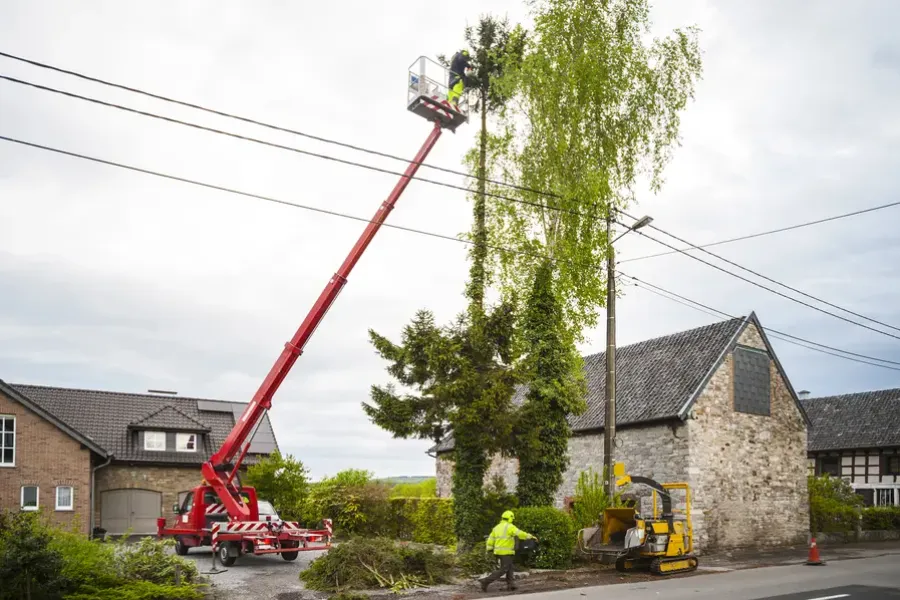
Tree trimming is essential to prepare land for various projects. It involves cutting excess branches and removing problematic trees that could impede machinery movement. By doing so, it aids in clearing pathways and ensuring smoother operations during grading processes.
Impact of Improper Tree Management
Neglecting proper tree maintenance leads to complications. Overgrown branches may fall unexpectedly, posing dangers to workers and equipment. Additionally, failing to trim trees can result in uneven ground conditions once the land is cleared. Consequently, this results in increased costs and time delays as additional efforts are needed to address these issues.
Steps for Effective Land Clearing
When embarking on a project requiring land clearance, several steps ensure success:
- Assess the area for dense vegetation that needs addressing
- Identify trees interfering with grading plans
- Use appropriate machinery like chainsaws and trimmers safely
- Organize disposal or recycling of cut materials responsibly
Benefits of Combining Tree Trimming With Grading
A comprehensive approach combining tree trimming with grading offers numerous benefits. It results in faster project completion times due to fewer obstacles encountered during work operations. Moreover, it enhances safety standards by reducing potential hazards linked to fallen debris or unstable ground surfaces post-clearance.
Cost Implications of Poor Planning
Poor planning inevitably leads to unforeseen expenses down the line. If vegetation isn’t properly managed before starting grading works, there are likely going to be extra costs associated with correcting mistakes afterward. These could include hiring additional labor or renting specialized equipment at short notice.
Expert Tips for Successful Land Management
Professionals recommend adopting best practices when dealing with large-scale projects involving both clearing and grading tasks:
- Plan comprehensively from start-to-finish considering all environmental aspects involved
- Engage skilled personnel familiarized with local regulations surrounding site development activities
- Use quality gear regularly maintained according to manufacturers’ specifications ensuring optimal performance throughout use periods
Partner With Experts for Optimal Results
Achieving desired outcomes requires working alongside experienced professionals who understand intricacies behind balancing ecological concerns against infrastructural demands placed upon sites subject development initiatives undertaken therein. Based in Copeland, FL, we have honed our expertise over years handling diverse scenarios across region offering customized solutions tailored meet specific client needs efficiently economically possible consistently maintaining highest standards integrity accountability trustworthiness professionalism hallmark dealings clients us alike call today discuss requirements unique projects envisioned further assistance guidance achieving goals realize aspirations envisaged outset journey venture embarked upon.